


The Vagus Nerve: The Missing Piece in Every Wellness Conversation
You've probably noticed that the wellness world has started talking about something called the vagus nerve. It sounds technical, maybe even obscure. But if there's one concept that can genuinely shift the way you understand stress, rest, connection, and healing — this might be it.
The vagus nerve isn't a trend. It's anatomy. And once you understand what it does, it reframes nearly every wellness practice you've ever tried.
What Is the Vagus Nerve?
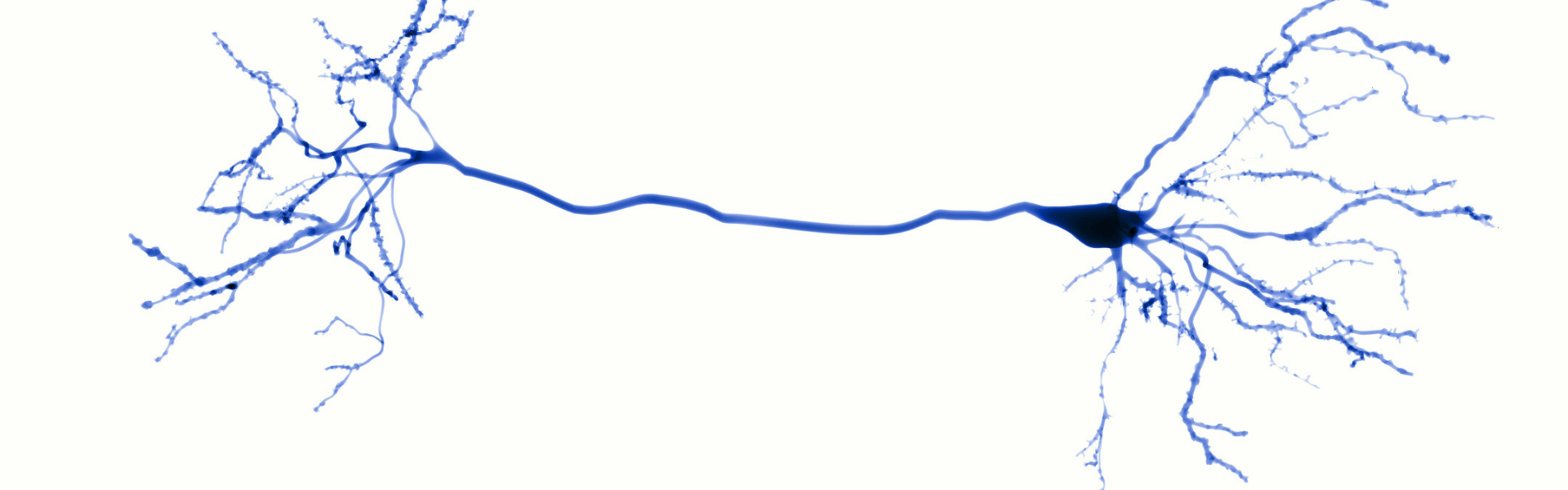
The vagus nerve is the longest cranial nerve in the human body. It originates in the brainstem, travels through the neck and chest, and extends all the way down through the heart, lungs, and into the digestive organs. The word "vagus" comes from Latin — it means "wandering." And it earns that name.
It's the main conduit of your parasympathetic nervous system — the branch responsible for rest, recovery, digestion, and connection. When the vagus nerve is active and healthy, it acts like a volume dial on stress: it brings down the intensity, signals safety to the body, and allows the systems of repair and regeneration to engage.
Approximately 80% of the fibres in the vagus nerve are afferent — meaning they carry signals from the body to the brain, not the other way around. This is crucial: it means the body is largely in charge of telling the brain how safe it is. The brain doesn't broadcast safety to the body; the body broadcasts it upward.
This is why top-down approaches to anxiety (trying to think your way calm) often don't work. The information flows bottom-up. Change the body's inputs — the breath, posture, movement, sensation — and you change the signals reaching the brain.
What Is Vagal Tone?
Vagal tone refers to the activity level of the vagus nerve. High vagal tone means the nerve is well-engaged, resilient, and able to quickly bring the body back to balance after stress. Low vagal tone means the body is slower to recover and tends toward chronic activation.
Vagal tone is measured clinically through heart rate variability (HRV) — the variation in time between heartbeats. Higher HRV correlates with better vagal tone and has been consistently associated with better physical health, emotional regulation, and stress resilience.
Low vagal tone is associated with:
- Chronic stress and anxiety
- Digestive issues (the vagus nerve innervates the digestive tract)
- Difficulty recovering from stress
- Reduced emotional regulation
- Impaired immune function
- Cardiovascular risk markers
High vagal tone is associated with:
- Better recovery from stress
- Improved digestion
- Greater emotional flexibility
- Stronger social connection and empathy
- Lower systemic inflammation
The good news: vagal tone is not fixed. It responds to specific, consistent inputs.
Signs Your Vagal Tone Might Be Low
These aren't definitive diagnoses, but patterns worth noticing:
- You feel anxious even in objectively safe situations
- Your digestion is sensitive — bloating, irregularity, or IBS-type symptoms
- You struggle to come down from stressful events — they linger for hours or days
- You have a generally low mood or difficulty feeling connected to others
- You feel easily overwhelmed by sensory input
- Your resting heart rate is elevated and doesn't vary much during the day
How to Improve Vagal Tone
Here's where science and practice meet. These are the inputs that research most consistently shows can improve vagal tone over time:
1. Slow, Extended Exhale Breathing This is probably the most immediately accessible tool. When you extend the exhale longer than the inhale (for example, inhaling for 4 counts and exhaling for 6–8), you directly activate the vagus nerve. The heart rate slows on the exhale — this is the vagus nerve at work. Consistent slow breathing practice is one of the most evidence-backed methods for improving HRV and vagal tone.
2. Cold Exposure Brief exposure to cold — cold water on the face, a cold shower, immersion — activates the dive reflex, which stimulates the vagus nerve and produces a rapid parasympathetic response. Even 30 seconds of cold water on the face or neck can shift the nervous system state noticeably.
3. Humming, Singing, and Chanting The vagus nerve innervates the muscles of the throat and larynx. Deliberate vocalisation — humming, singing, chanting, gargling — vibrates these muscles and provides direct vagal stimulation. This is why some people instinctively hum or sing when they're soothing themselves.
4. Gentle, Rhythmic Movement Yoga, tai chi, walking — particularly with synchronised breathing — engages the vagus nerve through multiple simultaneous inputs: movement, breath, and proprioception.
5. Social Connection The polyvagal theory, developed by neuroscientist Stephen Porges, identifies a third branch of the autonomic system — the ventral vagal complex — as the circuit responsible for social engagement, connection, and co-regulation. Safe social connection literally activates the vagus nerve. Time with trusted people, gentle eye contact, warm physical touch — these are biological vagal inputs.
6. Adaptogens in Ritual Context Certain adaptogenic plants — including ashwagandha, rhodiola, and some functional mushrooms — have been investigated for their effects on the HPA axis and autonomic function. While the direct vagal mechanism is still being studied, their capacity to modulate the stress response creates conditions in which the vagus nerve can operate more effectively. Importantly, this appears to be enhanced when adaptogens are used consistently within a calming ritual — the ritual itself is a vagal input; the adaptogen may support the physiological substrate.
Building a Vagal-Tone Ritual
You don't need a complicated protocol. The most effective approach is layering small consistent inputs:
Morning:
- 2–3 minutes slow breathing (4 in, 6–8 out) before picking up your phone
- Warm drink ritual — the warmth and ritual itself are calming signals
- If using adaptogens, take them here with intention
Throughout the day:
- Notice when you're holding your breath or breathing shallowly — reset with a slow exhale
- Brief periods of humming or quiet singing are more effective than you might expect
- Brief cold water on wrists or face when stress peaks
Evening:
- Slow breathing before sleep
- Gentle movement (light stretching, short walk)
- Warmth (bath, warm drink)
- Reduce screen brightness and audio stimulation
The cumulative effect of these small inputs — applied daily — is a gradual upregulation of vagal tone. It doesn't happen in a week. But over months, the evidence suggests the nervous system's baseline does shift.
Why This Changes Everything
Understanding the vagus nerve reframes wellness from something you do when you're already calm into something you actively build through consistent, body-level signals. It explains why you can't just think your way to regulation. It explains why morning rituals work. It explains why adaptogens compound over time. And it explains why connection, warmth, and safety are not soft additions to a wellness practice — they're the biological substrate it all runs on.
References:
- Porges, S. W. (2009). Polyvagal theory: New insights into adaptive reactions of the autonomic nervous system. Cleveland Clinic Journal of Medicine, 76(Suppl 2), S86–S90.
- Breit, S. et al. (2018). Vagus nerve as modulator of the brain–gut axis in psychiatric and inflammatory disorders. Frontiers in Psychiatry, 9, 44.
- Gerritsen, R. J. S. & Band, G. P. H. (2018). Breath of life: The respiratory vagal stimulation model of contemplative activity. Frontiers in Human Neuroscience, 12, 397.
- Shaffer, F. & Ginsberg, J. P. (2017). An overview of heart rate variability metrics and norms. Frontiers in Public Health, 5, 258.
- Pinna, G. D. et al. (2007). Effect of paced breathing on ventilatory and cardiovascular variability parameters. European Journal of Applied Physiology, 101(3), 269–278.
Read more

The Best Mushroom Powders for Stress — Ranked by Evidence
Here's the problem with the functional mushroom market right now. Everyone is selling you a powder. Influencers are adding it to their lattes. Wellness brands are slapping "adaptogen" on the label ...
Read more
The Definitive Guide to Functional Mushrooms: What the Science Actually Says
Everything you need to know about how functional mushrooms work, why extraction method matters, and what separates a supplement worth taking from one that isn't. Functional mushrooms are not new. T...
Read more