
Eight mushrooms.One nervous system. Infinite possibility.
Grown in Algarve, Portugal
Every mushroom we grow is cultivated from spore to fruiting body on our farm in sunny Algarve. Certified organic. Dual extracted. Backed by science — and thousands of years of tradition.
We don't rebrand. We grow.
No imported mushrooms here
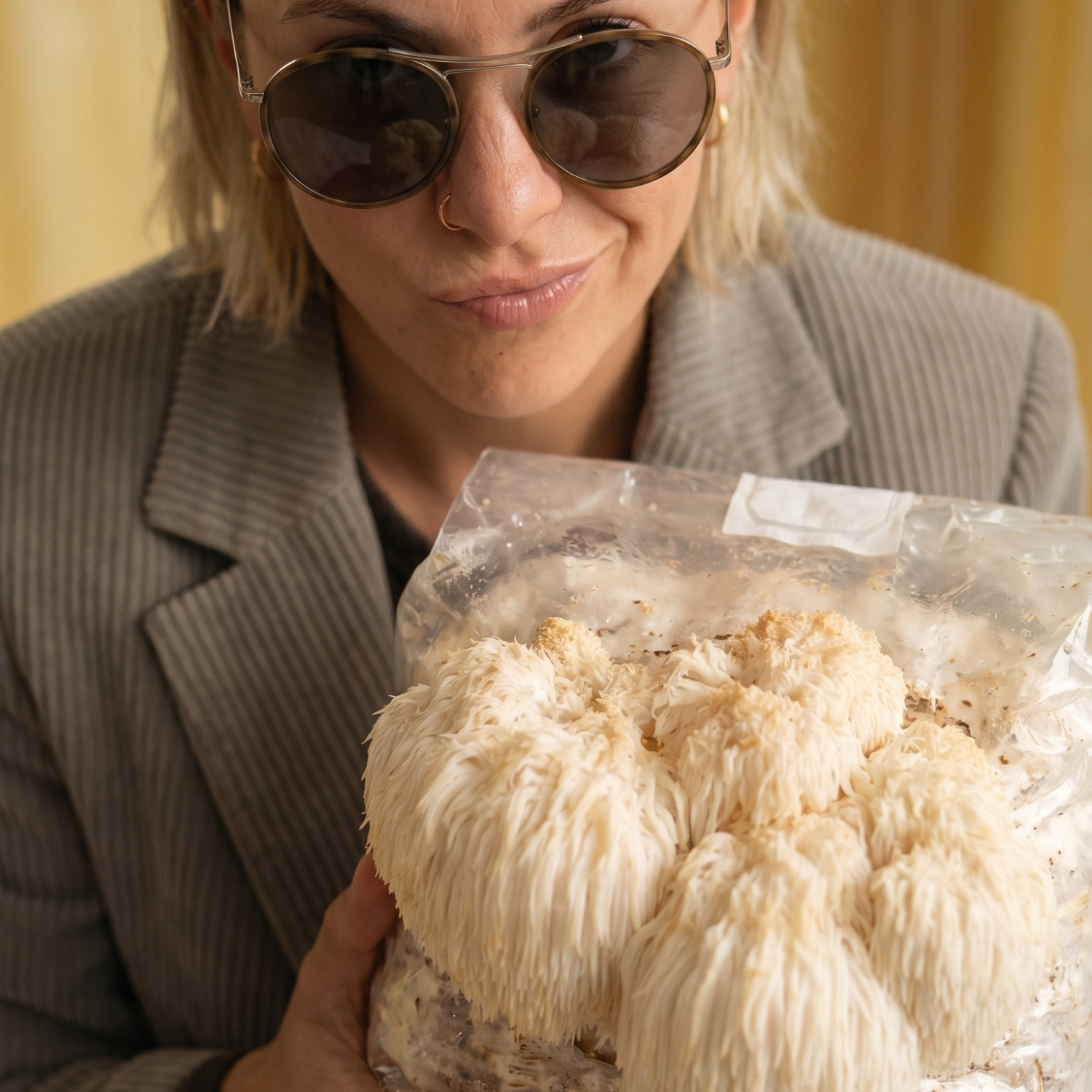
Most brands buy powders from bulk suppliers and put their name on the bag. At GRIBB we do differently.
Our urban farm in Portimao - Algarve, Portugal grows every mushroom through its entire life cycle. Sawdust substrate from local woodshops in Monchique. Controlled indoor environment. Filtered air and water. No heavy metals, no contaminants, no shortcuts.
What you get in the bottle is exactly what came out of the ground — dual extracted, full spectrum, at a 10:1 ratio. Nothing added. Nothing hidden.
Beauty · Hydration · Anti-Aging
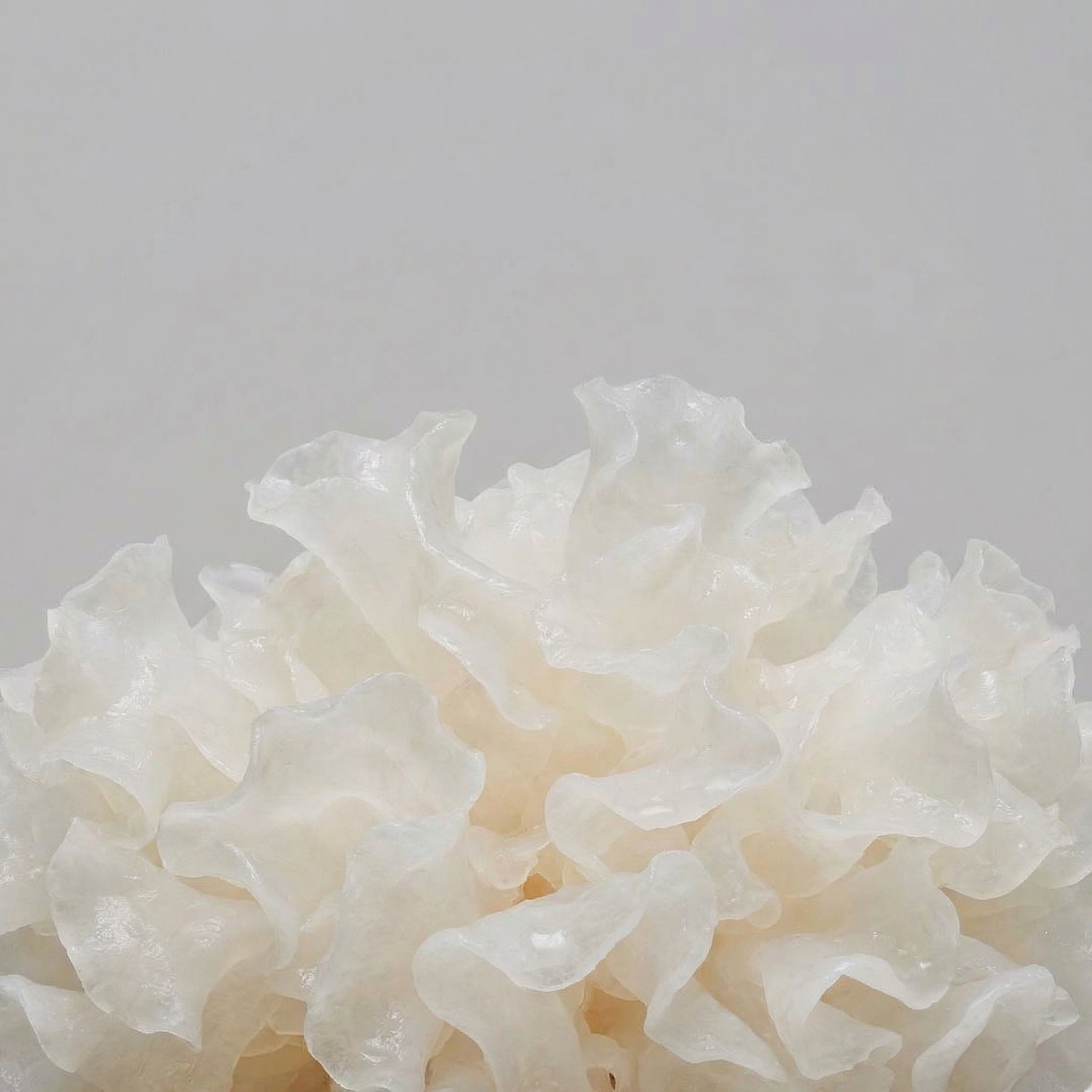
TRemella
Tremella fuciformis
Hyaluronic acid mimic · Skin hydration · Collagen support
Known as the "Snow Mushroom" or "Beauty Mushroom," Tremella has been a staple of Chinese beauty traditions for over a thousand years. Its polysaccharides function similarly to hyaluronic acid — holding up to 500x their weight in water — with a smaller molecular weight that allows deeper skin penetration. Research confirms significant improvements in skin hydration, elasticity, and reduction of oxidative stress markers.
Bioactive compounds: Polysaccharides · Vitamin D · Beta-glucans
Research:
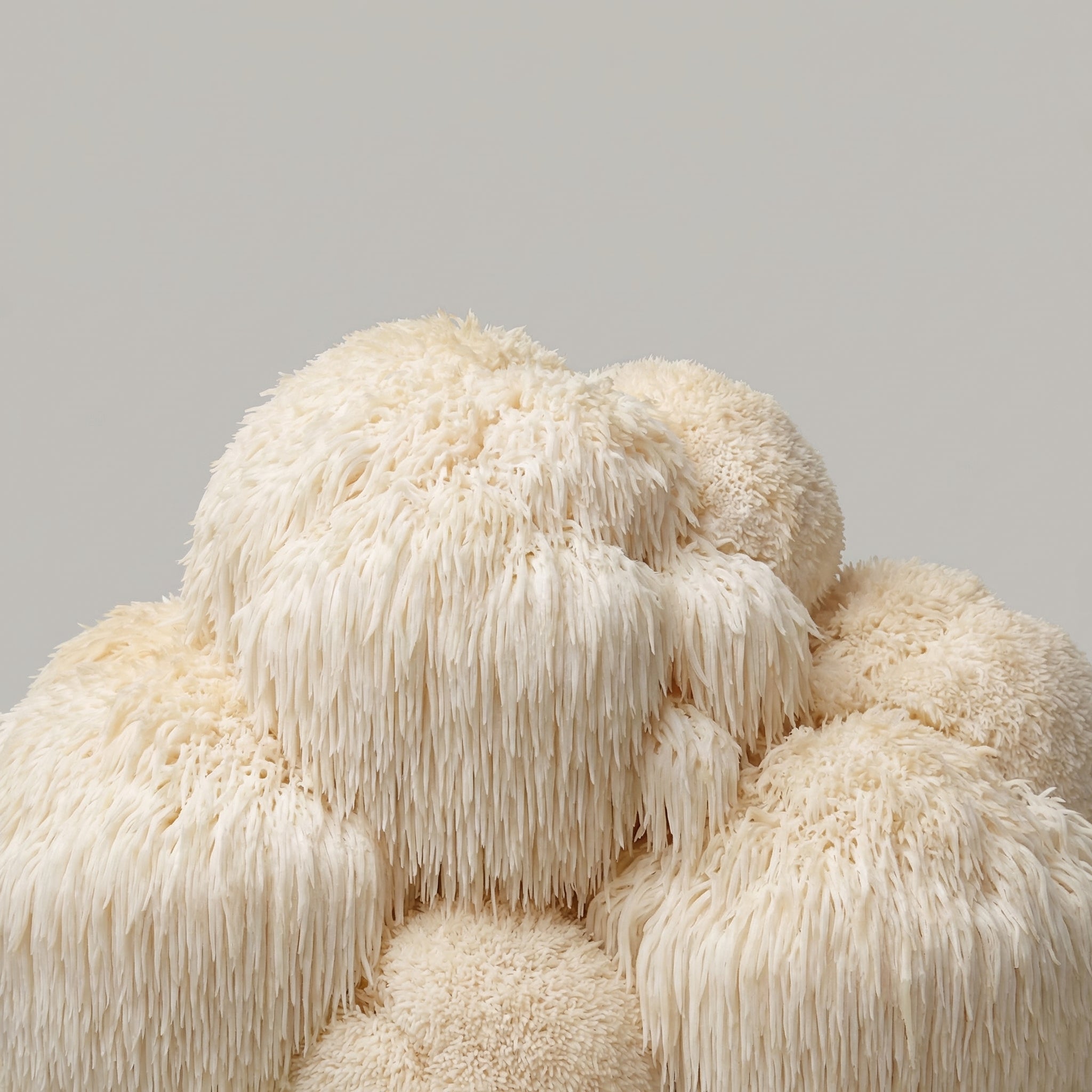
Brain · Focus · Regeneration
Lion's Mane
Hericium erinaceus
Nerve repair · Cognitive clarity · Neuroplasticity
The only mushroom known to stimulate Nerve Growth Factor (NGF) synthesis, Lion's Mane supports the growth and repair of neurons. Used for centuries in traditional Chinese medicine, it's now one of the most studied nootropics in existence. Expect sharper focus, improved memory, and — over time — genuine neural regeneration.
Best taken in the morning.
Bioactive compounds: Hericenones· Erinacines · Beta-glucans
Research:
1. NGF STUDY
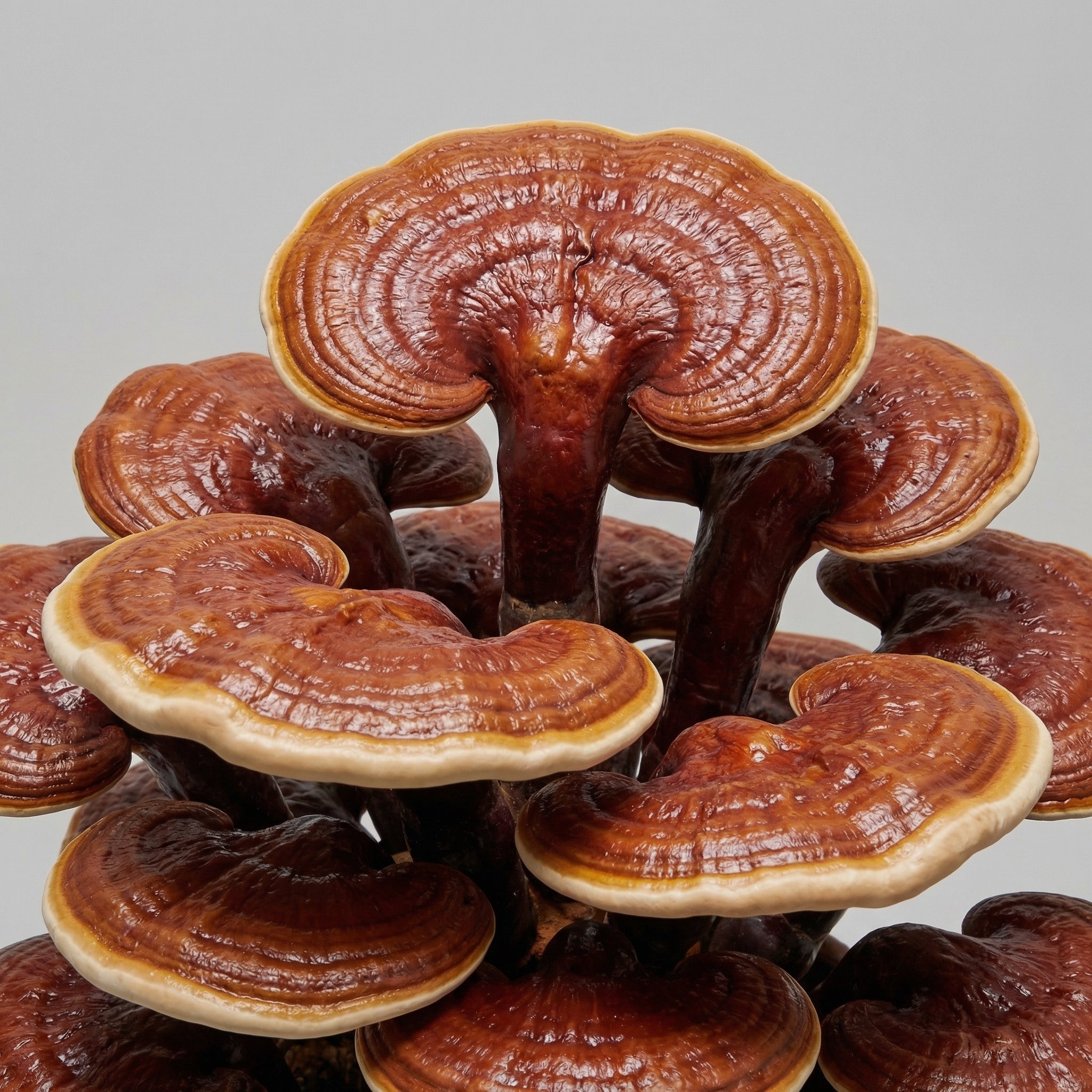
Sleep · Calm · Longevity
reishi
Ganoderma lucidum
Deep sleep · Cortisol regulation · Immune modulation
Called the "Mushroom of Immortality" in Chinese tradition — and that reputation is not entirely metaphorical. Reishi modulates the HPA axis (your stress response system), reduces cortisol, and significantly improves sleep architecture. Its triterpenoid content is unmatched in the fungal kingdom. The nervous system's closest ally.
Take it in the evening.
Bioactive compounds: Triterpenes· Ganoderic acids· Beta-glucans
Research:
1. Sleep Study
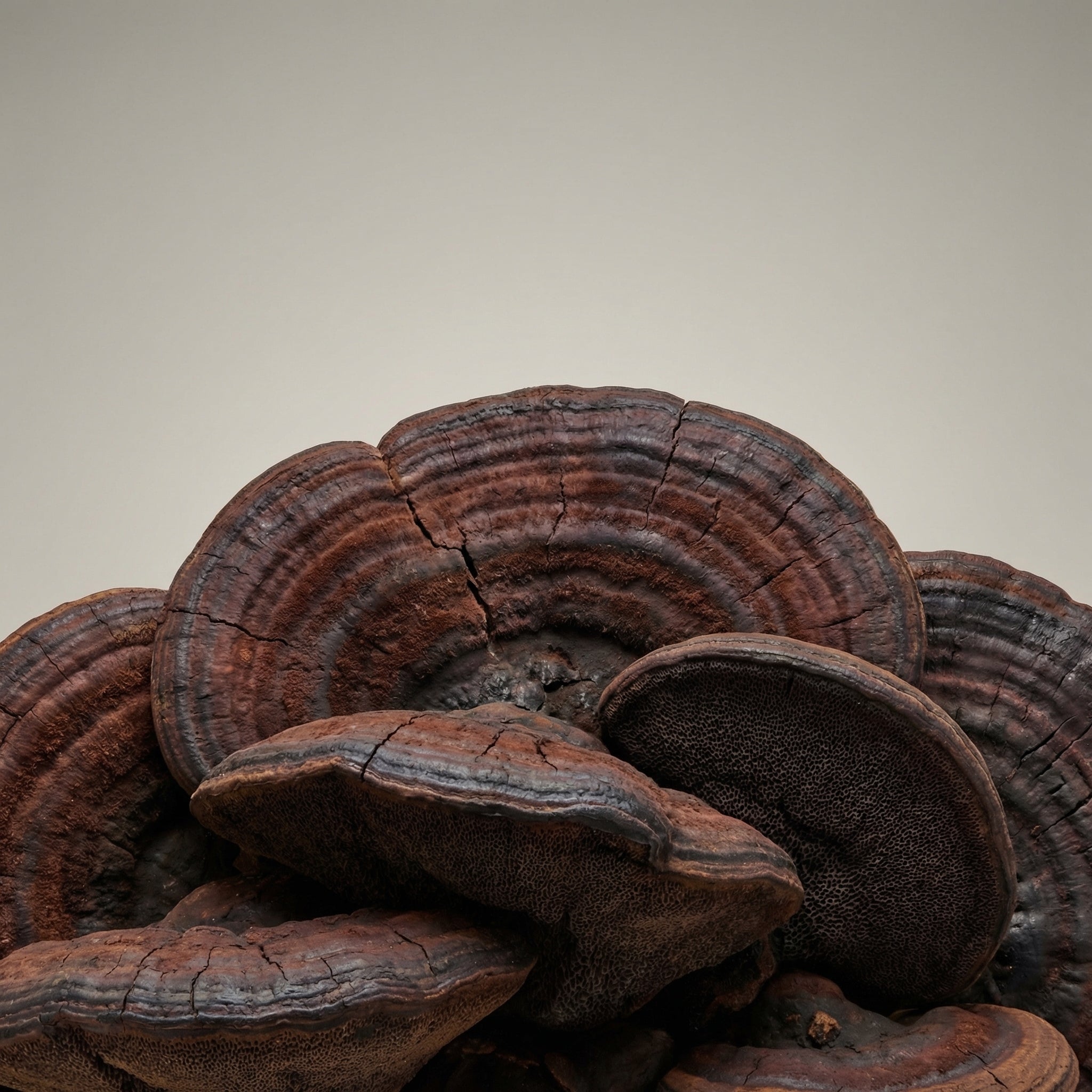
Immune · Hormonal · Women's Health
mesima
Phellinus linteus
Immune activation · Anti-inflammatory · Hormonal balance
One of the most pharmacologically researched mushrooms in South Korea and Japan, with a long history in traditional medicine. Its polysaccharide content exerts powerful immunomodulatory effects, and emerging research points toward its role in hormonal health — particularly relevant for women navigating perimenopause. Slow-acting and systemic, its effects build over consistent use.
Bioactive compounds: Hispolon· Polysaccharides· Beta-glucans
Research:
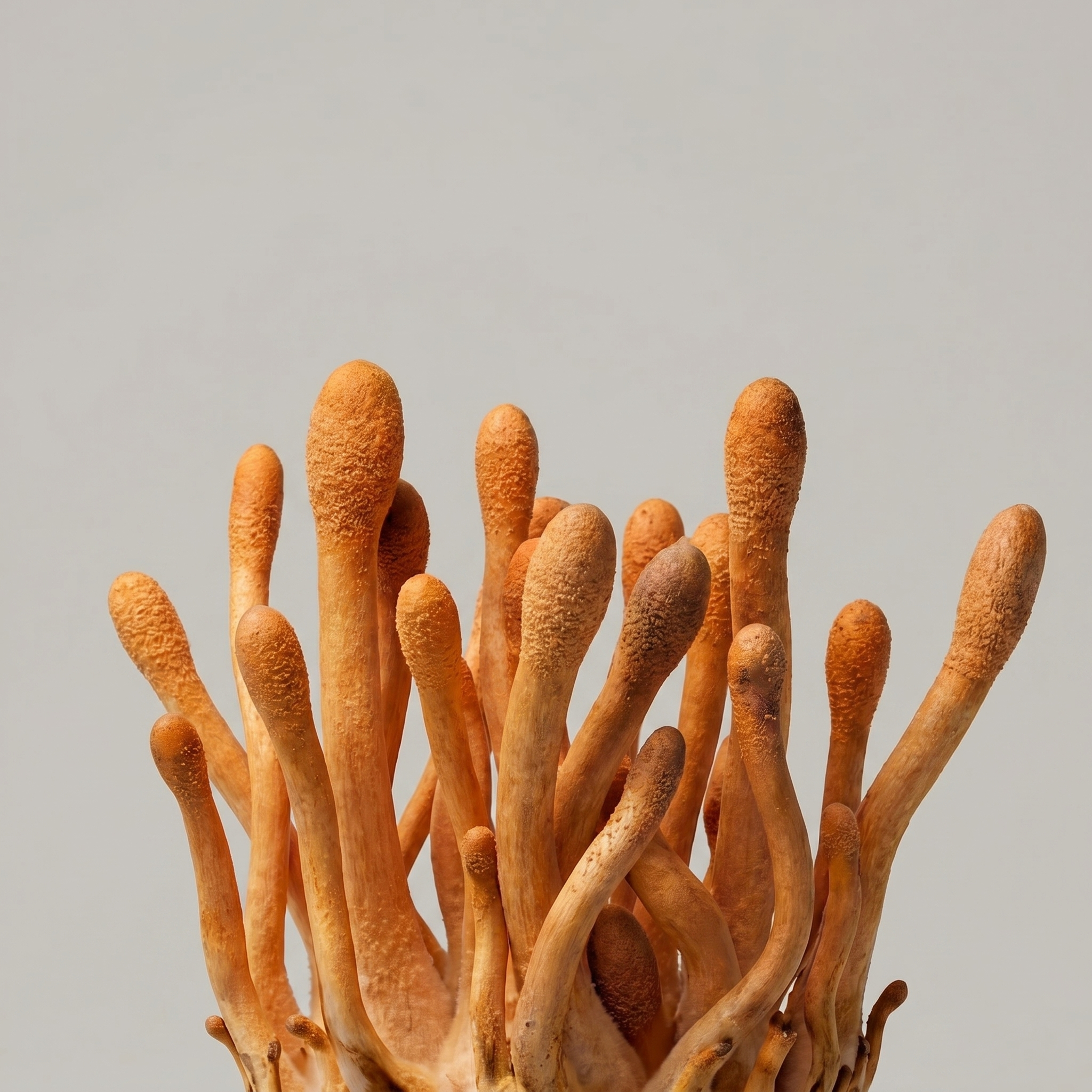
Energy · Performance · Endurance
cordyceps
ATP production · Oxygen uptake · Adrenal support
Cordyceps enhances cellular energy production by increasing ATP synthesis — the body's primary energy currency. Studies show measurable improvements in VO2 max, exercise endurance, and post-exertion recovery. Unlike stimulants, it doesn't spike and crash; it rebuilds the energy-generating machinery itself.
Take in the morning or pre-workout.
Bioactive compounds: Cordycepin· Adenosine · Beta-glucans
Research:
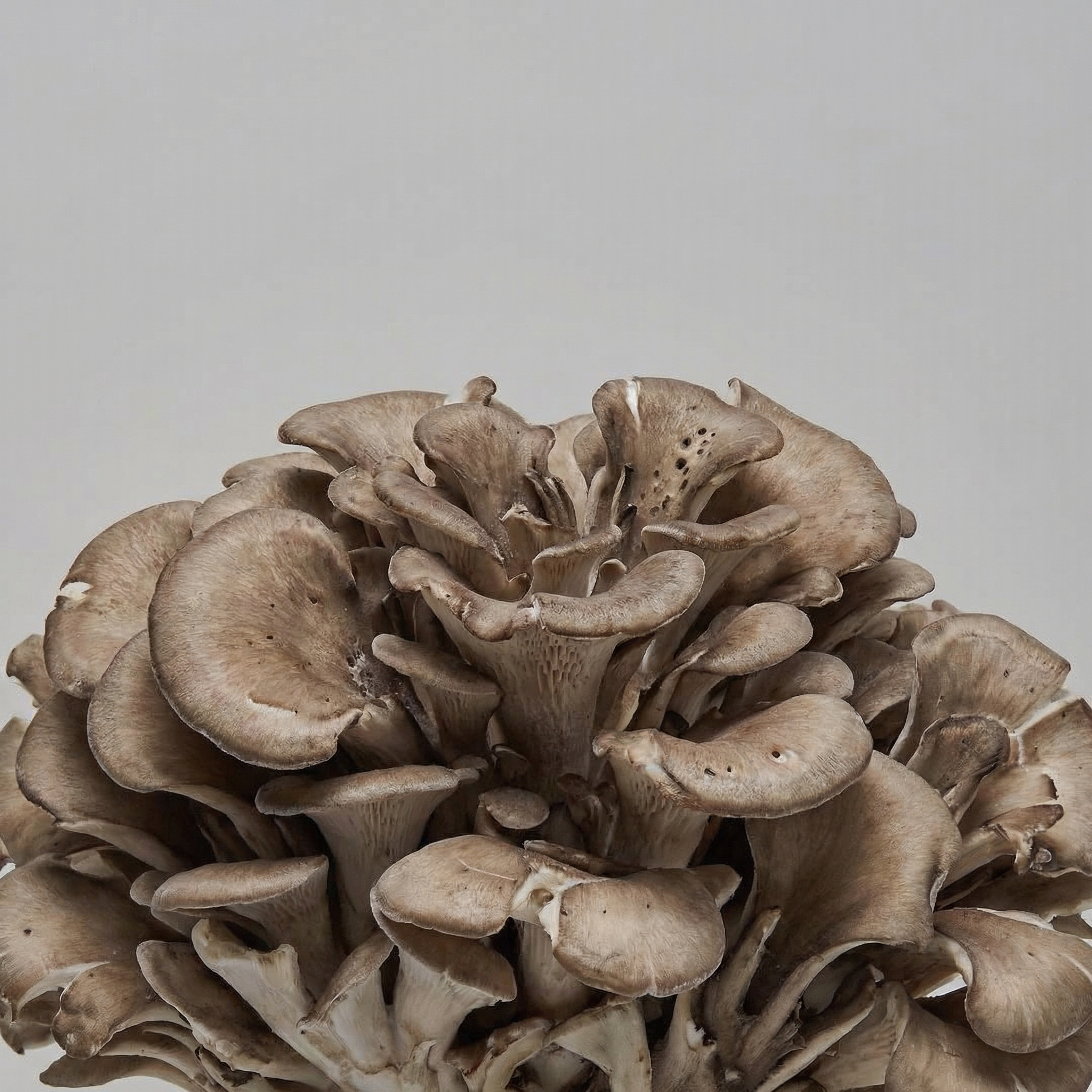
Immune · Hormonal · Antioxidant
maitake
Grifola frondosa
Beta-glucan density · Blood sugar balance · Immune intelligence
Maitake contains one of the highest concentrations of beta-glucans of any functional mushroom, with particular potency around D-fraction beta-glucans — shown to activate natural killer (NK) cells and macrophages. Beyond immune function, Maitake demonstrates meaningful effects on insulin sensitivity and blood glucose regulation. Known as "Dancing Mushroom" because those who found it reportedly danced with joy.
Bioactive compounds: D-fraction· Polysaccharides· Beta-glucans
Research:
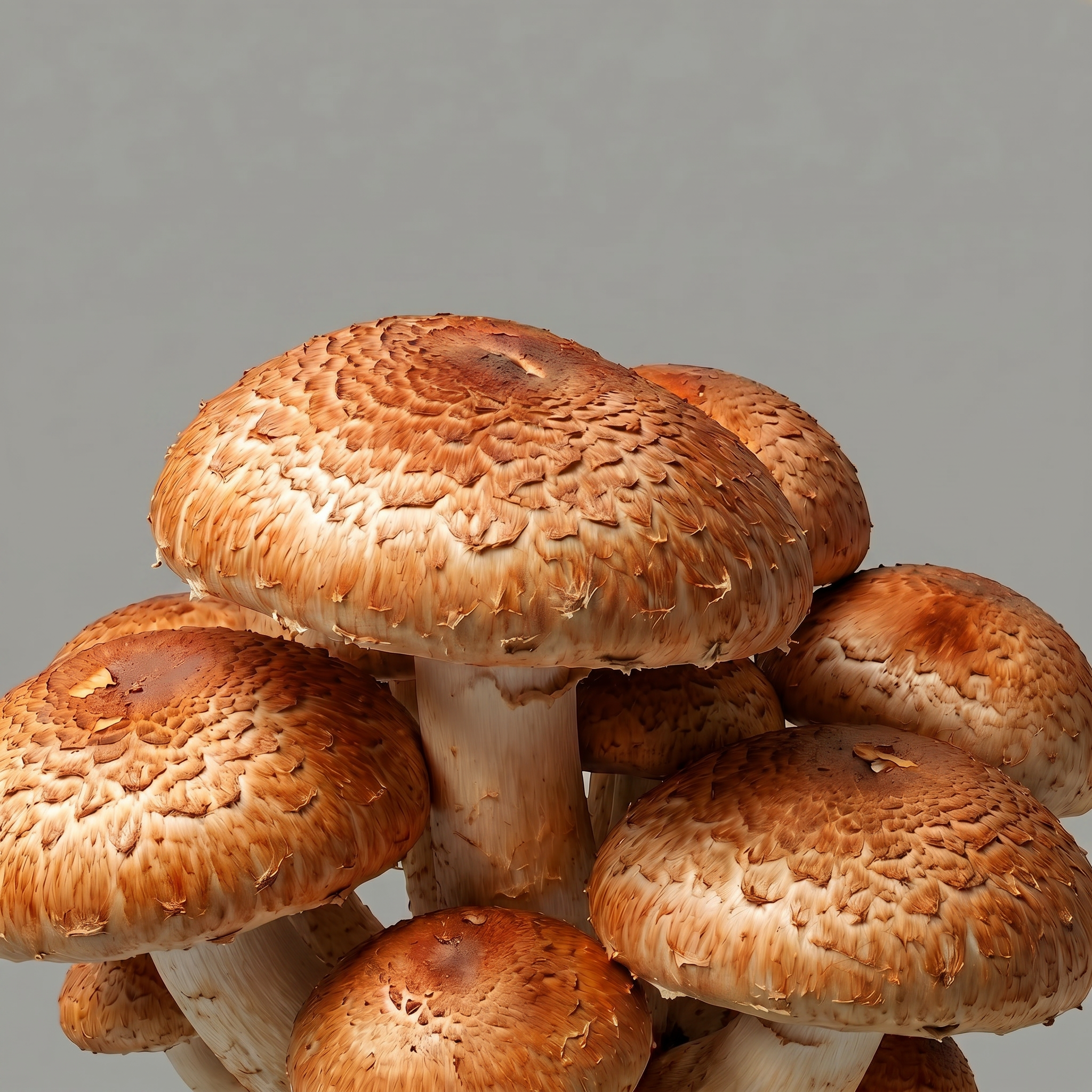
Immune · Gut · Metabolic
agaricus blazei
Agaricus blazei Murrill
Beta-glucan activation · Metabolic support · Gut immunity
Originally discovered in a small Brazilian town where locals showed unusually high longevity and low rates of chronic disease, Agaricus blazei became the subject of intense pharmacological research in Japan and Brazil. Its exceptionally high beta-glucan content activates multiple immune pathways simultaneously. Research also points to meaningful effects on blood glucose regulation and metabolic health.
Bioactive compounds: Ergosterol · Agaritine · Beta-glucans
Research:
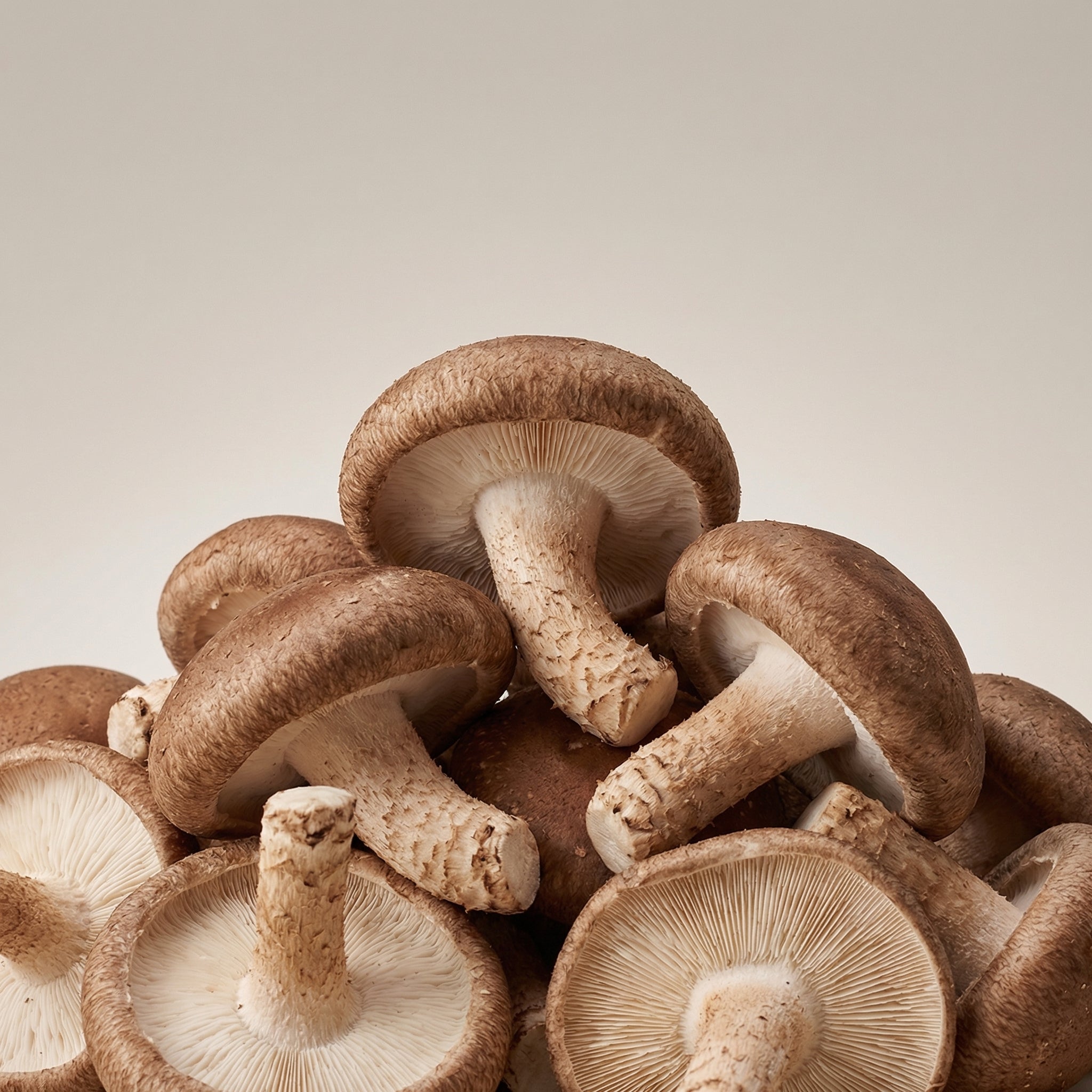
Immune · Nutrition · Gut Health
shiitake
Lentinula edodes
Lentinan complex · Cardiovascular support · Gut microbiome
The world's second most cultivated mushroom carries lentinan — studied extensively for immune cell activation. Beyond immunity, Shiitake contains eritadenine (shown to reduce LDL cholesterol) and prebiotic fiber that feeds beneficial gut bacteria. Rich in B vitamins, copper, and selenium. One of the most nutritionally complete foods in the fungal kingdom.
Bioactive compounds: Lentinan · Eritadenine · Beta-glucans
Research:
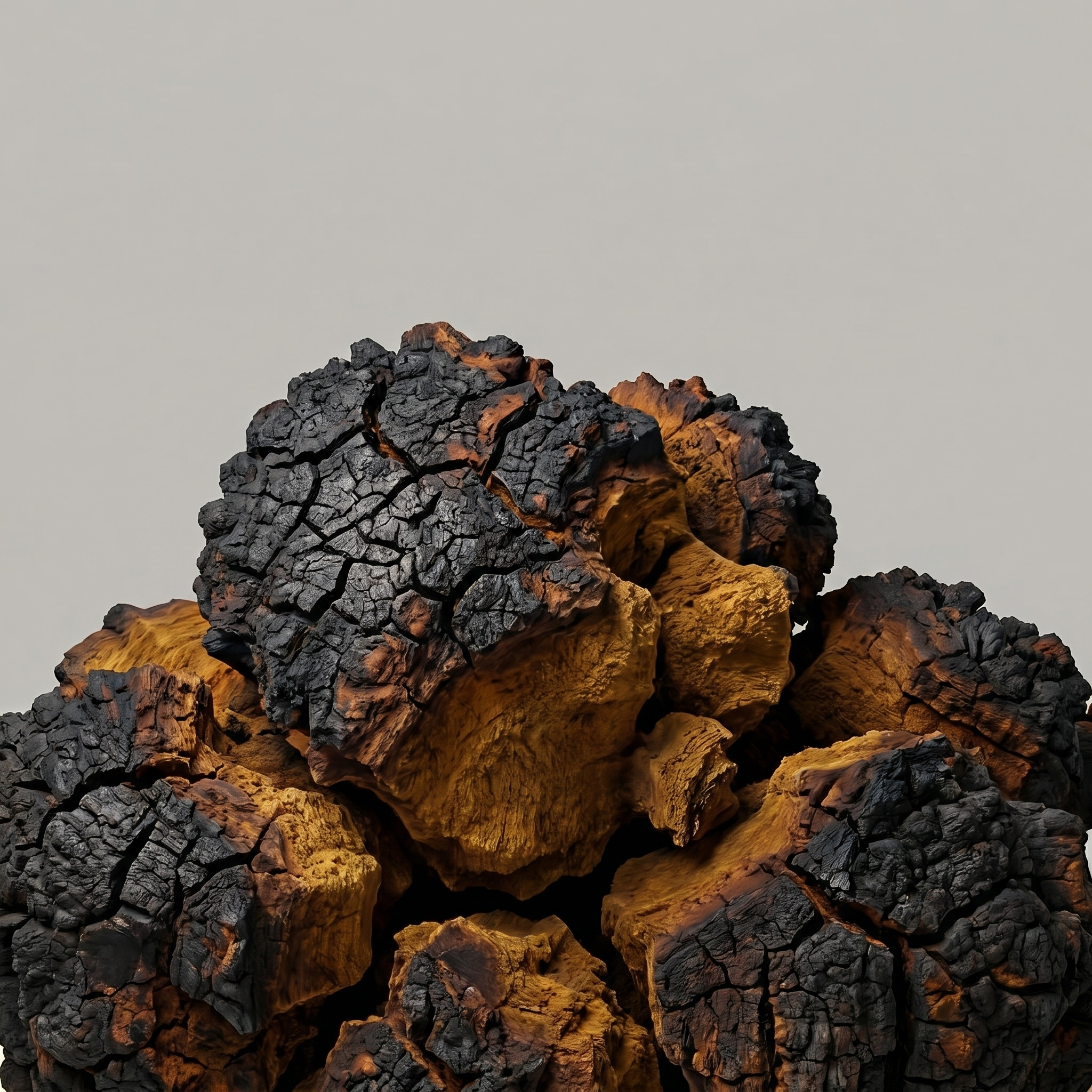
Longevity · Antioxidant · Adaptogen
chaga
Inonotus obliquus
ORAC champion · DNA protection · Systemic resilience
Chaga has one of the highest ORAC (antioxidant) scores of any natural substance on Earth. Grown on birch trees, it accumulates betulinic acid and melanin in concentrations found nowhere else in nature. Its role in protecting cellular DNA from oxidative damage makes it a genuine longevity tool. Slow-acting and cumulative. The mushroom that works on timescales your body understands.
Bioactive compounds: Betulinic Acid · Melanin · Beta-glucans
Research:
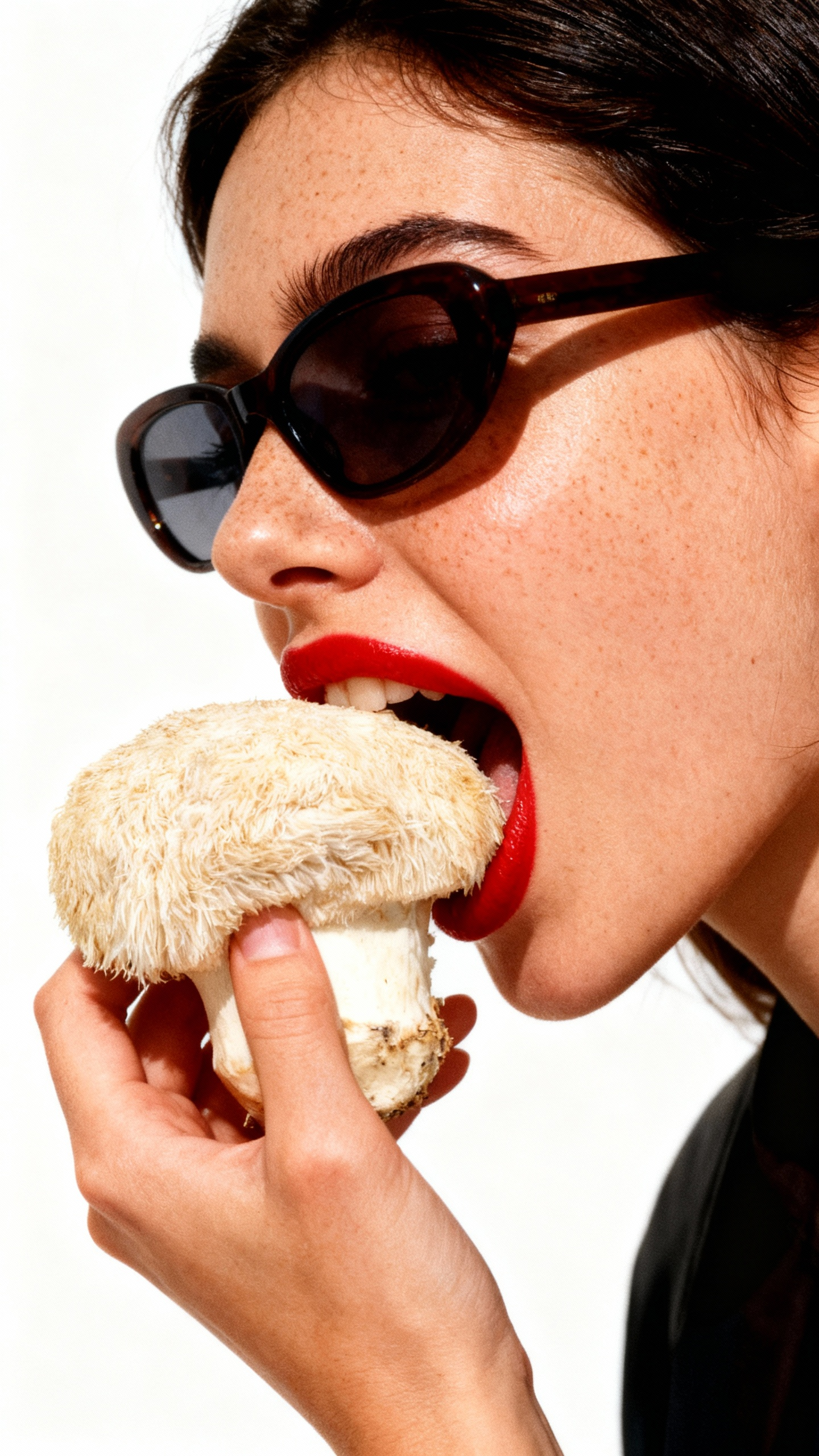
Your nervous system has a fingerprint. Find its match.
Not sure which mushroom is right for you?
The quiz takes 90 seconds and finds the exact protocol for your nervous system, lifestyle, and goals.
Need help?
Frequently Asked Questions
Functional mushrooms are species of fungi that contain bioactive compounds — primarily beta-glucans, terpenoids, and polysaccharides — shown to support specific functions in the human body. Unlike culinary mushrooms, they're used for their therapeutic properties: immune modulation, cognitive support, sleep, energy, and stress resilience. They've been used in traditional medicine for thousands of years and are now backed by a growing body of clinical research.
A mushroom powder is simply dried, ground mushroom — it contains the full range of compounds but at lower concentration and bioavailability. A mushroom extract uses hot water, alcohol, or both to isolate and concentrate the active compounds. Gribb uses dual extraction (hot water + alcohol) at a 10:1 ratio, meaning 10kg of fresh mushroom produces 1kg of extract — significantly more potent than standard powders.
Dual extraction uses two solvents: hot water to extract beta-glucans and polysaccharides (water-soluble), and alcohol to extract terpenoids and sterols (fat-soluble). Neither method alone captures the full spectrum of bioactive compounds. Using both ensures you get everything the mushroom has to offer. Most cheap brands use only hot water extraction — or sell unextracted powder entirely. Dual extraction is the gold standard.
Yes. Every mushroom Gribb sells is grown from spore to fruiting body on our own farm in Algarve, Portugal. We use clean sawdust substrate from local woodshops in Monchique. Our farm is certified organic by NATURALFA under PT-BIO-10. We don't import, rebrand, or outsource. Farm-to-bottle is not a marketing phrase for us — it's our entire operation.
Reishi (Ganoderma lucidum) is the most researched functional mushroom for sleep. Its triterpenoid compounds modulate the HPA axis — the body's stress response system — and have been shown in clinical studies to improve sleep architecture, particularly deep sleep. It also reduces cortisol. We recommend taking Reishi in the evening, 30–60 minutes before bed, consistently for at least 4 weeks to notice meaningful results.
Lion's Mane (Hericium erinaceus) is the primary choice for cognitive function. It's the only mushroom known to stimulate Nerve Growth Factor (NGF) synthesis — a protein essential for the growth, maintenance, and repair of neurons. Clinical trials show improvements in memory, focus, and processing speed with consistent use. Unlike stimulants, it doesn't create a spike-and-crash effect. Take in the morning for sustained cognitive clarity.
Yes. Mushroom stacking — combining multiple species — is common and well-tolerated. There are no known negative interactions between functional mushroom species. A popular daily protocol: Lion's Mane in the morning for focus, Cordyceps before exercise for energy, and Reishi in the evening for sleep and recovery. Gribb also offers multi-mushroom blends formulated for specific goals if you prefer a single product.
Functional mushrooms have a long safety record in traditional use and modern research. Side effects are rare and usually mild — occasional digestive sensitivity when first starting, particularly in people with sensitive stomachs. We recommend starting with one mushroom at a time at the standard dose and introducing others gradually. If you are pregnant, breastfeeding, immunocompromised, or on medication, consult a healthcare professional before use.